Why Hitting a Deer in New York Is About to Cost You Way More
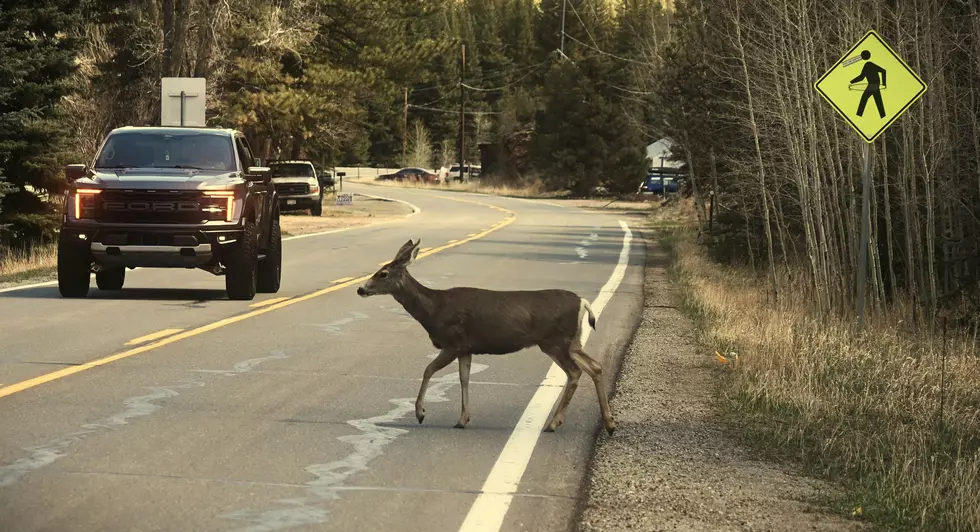
Every time my mind wanders while I'm driving down a quiet, tree-lined road, I think back to the awful night I totaled my husband's car. I was driving so incredibly slowly, but a deer still managed to materialize out of thin air and leap directly in front of the car.
In the immediate aftermath of the crash, staring at the wreckage, my scattered brain couldn't even process the logistics. I didn't care about the insurance or my husband's reaction. All I could do was cry and obsess over the poor deer, who got up and hobbled back into the woods, giving me one last look before it disappeared.
My emotions were still stuck on that deer when the financial reality of hitting wildlife in New York set in. And new data shows it's getting dramatically worse for our wallets.
High Odds of Hitting a Deer: New York Animal Collision Data
If you've ever had a close call on a New York roadway, you’re part of a massive club. According to a national claims analysis, animal collisions are quietly becoming one of the most expensive crash risks for drivers across the United States.
Between July 2024 and June 2025, drivers filed a staggering 1.7 million insurance claims for animal strikes nationwide. And to absolutely nobody's surprise, deer are driving the vast majority of that chaos. White-tailed deer were responsible for over 1.1 million of those claims, accounting for a massive 64.7% of all animal-collision damage in the country. Right here in New York State, recent traffic safety data show we clock well over 36,000 animal-related crashes a year, with counties like Orange, Monroe, and Suffolk leading the pack in animal hits.
Nationally, the baseline odds of an individual driver hitting an animal sit at 1 in 139. But it’s what happens after the collision that will make your jaw drop.
Why Modern ADAS Sensors Make Deer Collision Repairs Expensive
Back in the day, hitting a deer meant a dented metal bumper, a broken headlight, and a relatively straightforward trip to the local body shop. Not anymore.
Data from the first quarter of 2025 reveals that the technology packed into modern vehicles has turned simple animal strikes into incredibly complex tech repairs. Take a look at how fast repair requirements are skyrocketing:
- Diagnostic Scans: A massive 86.9% of all repairable collision claims now require comprehensive electronic diagnostic scans just to clear internal computer errors.
- Sensor Calibration: An astounding 32.2% of claims now require full ADAS (Advanced Driver Assistance Systems) calibration.
That means if you hit a deer today, you aren't just paying for plastic and paint. You're paying a premium to reset the cameras, radar sensors, and computer modules that control your automatic braking and lane-assist features. ADAS calibration needs alone saw a massive 34.7% relative jump over the previous year. One rogue animal can completely scramble your car's central nervous system.
Long Repair Timelines and Rising Deductibles for Deer Strikes
For New York drivers trying to navigate high insurance premiums, this rise in repair complexity translates directly to real-world urgency.
Because nearly one in three animal-strike repairs now requires specialized tech calibration, you can expect significantly longer timelines at the repair shop while technicians source parts and run digital alignments. This means more time driving an expensive rental car while you wait for your vehicle to clear safety checks.
Between standard parts inflation, tech diagnostic fees, and the need to recalibrate safety sensors, that comprehensive insurance deductible is going to hurt more than ever.
So, the next time you're driving through local roads at dusk, slow down, scan the shoulders, and keep your high beams on when you can because the local wildlife is beautiful, but a run-in with them will absolutely break the bank.
300 of these Majestic White Deer Live in Upstate NY!
Shocking Number of Deer Are Dying All Over New York
More From 98.1 The Hawk